
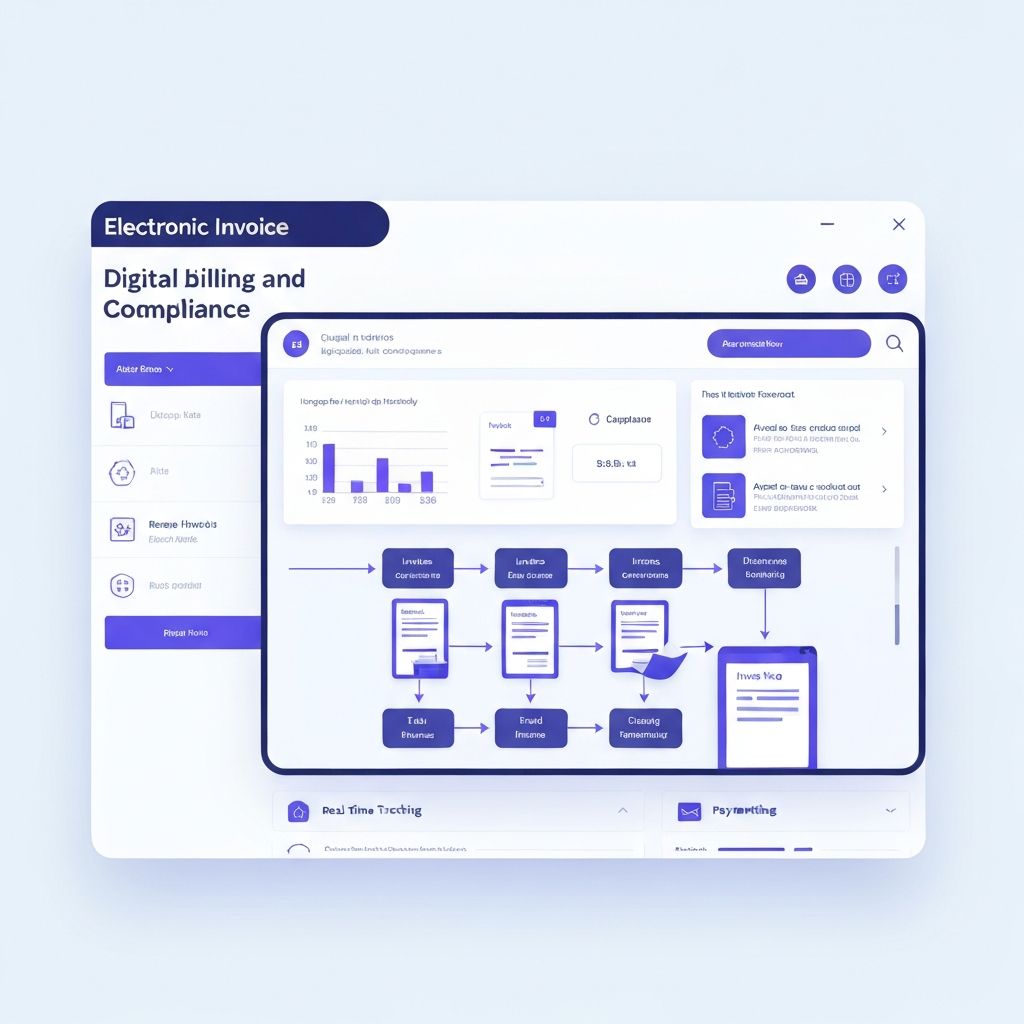
Tax compliance has long been a source of anxiety for finance teams dealing with deadlines, spreadsheet errors, and preventable audit findings. Automation transforms reactive manual processes into proactive intelligent workflows.
1. The Cost of Manual Compliance
Manual tax compliance consumes thousands of person-hours annually. Beyond labor cost, manual entry introduces errors that compound across returns. Resulting penalties and audit defense costs often dwarf the investment required to automate.
2. Real-Time Data Validation and Reconciliation
Modern platforms continuously validate transactions against tax rules at entry rather than at filing. This shift from batch reconciliation to real-time validation means discrepancies are flagged while still fresh.
3. Automated Filing and Regulatory Updates
Automated solutions maintain centralized rules engines updating across the organization when regulations change, eliminating manual spreadsheet updates. Some platforms offer direct filing integration with tax authority portals.
4. Audit Readiness as a Default State
With complete digital audit trails from creation, the traditional audit panic becomes obsolete. Automated systems produce documentation in minutes rather than weeks, transforming audits into routine verifications.
5. Scalability for Growing Businesses
Manual processes break at scale. Digital solutions process volume increases with marginal additional cost. This scalability is critical for businesses expanding into new jurisdictions where each tax regime multiplies compliance complexity.
Conclusion
SKYLINK designs compliance automation solutions that integrate seamlessly with existing financial systems, ensuring accuracy and timeliness become the default.

SkyLink Team
Business Automation Expert
SkyLink Team is a seasoned technology professional with extensive experience in e-invoicing & compliance. At SkyLink, they lead initiatives that drive innovation and deliver exceptional results for our clients.